
A Burbank summer can turn an air-conditioning problem from inconvenient to urgent fast. If your system is blowing warm air, running constantly, making new noises, or leaving parts of the building uncomfortable, air conditioning repair Burbank property owners can trust starts with a clear diagnosis, not a rushed guess.
A good repair visit should give you answers: what failed, why it failed, what it will take to correct it, and whether the repair makes practical sense for your equipment. That matters whether you are trying to keep a family comfortable at home, manage a rental property, or protect a busy restaurant’s daily operation.
When Air Conditioning Repair in Burbank Is Needed
Air conditioners rarely fail without offering clues. Some warning signs appear gradually, while others show up all at once during a hot afternoon. Paying attention early can prevent a smaller mechanical or electrical issue from putting the entire system out of service.
Warm air from the supply vents is one of the clearest signs that something needs attention. The cause could involve low refrigerant caused by a leak, a compressor problem, a failed capacitor, a control issue, or airflow restrictions. Because several problems can produce the same symptom, a technician needs to test the system rather than assume the refrigerant simply needs to be added.
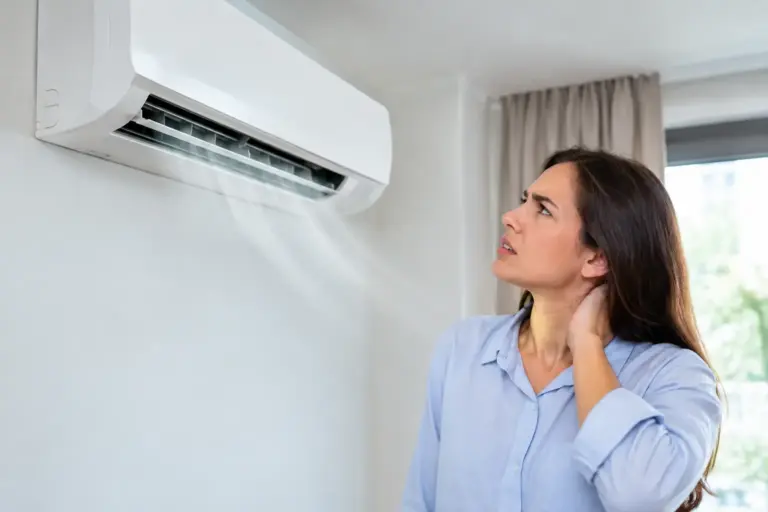
Weak airflow is another common concern. If one room is comfortable and another is not, the problem may involve the blower motor, a failed component in the air handler, ductwork issues, system sizing, or a thermostat and zoning concern. A system that runs but cannot keep up can also be dealing with a dirty outdoor coil, declining compressor performance, or excessive heat entering the building.
New noises deserve attention as well. Rattling can point to loose hardware or panels. Squealing may indicate a belt or motor issue on applicable equipment. Buzzing, clicking, grinding, or repeated attempts to start can signal electrical or mechanical trouble. The sound alone does not confirm the repair, but it gives an experienced technician a useful starting point.
Water around indoor equipment should not be ignored. A blocked condensate drain, failed condensate pump, frozen evaporator coil, or drainage issue can lead to water damage if left unaddressed. Shut the system off if water is actively leaking near electrical components, then arrange professional service.
What a Thorough AC Repair Visit Should Include
The right repair begins with listening. A technician should ask when the problem started, whether it is constant or intermittent, what settings are being used, and whether the system has had recent work. Details such as a recent power interruption, unusual cycling, or rooms that never cool properly can help narrow the diagnosis.
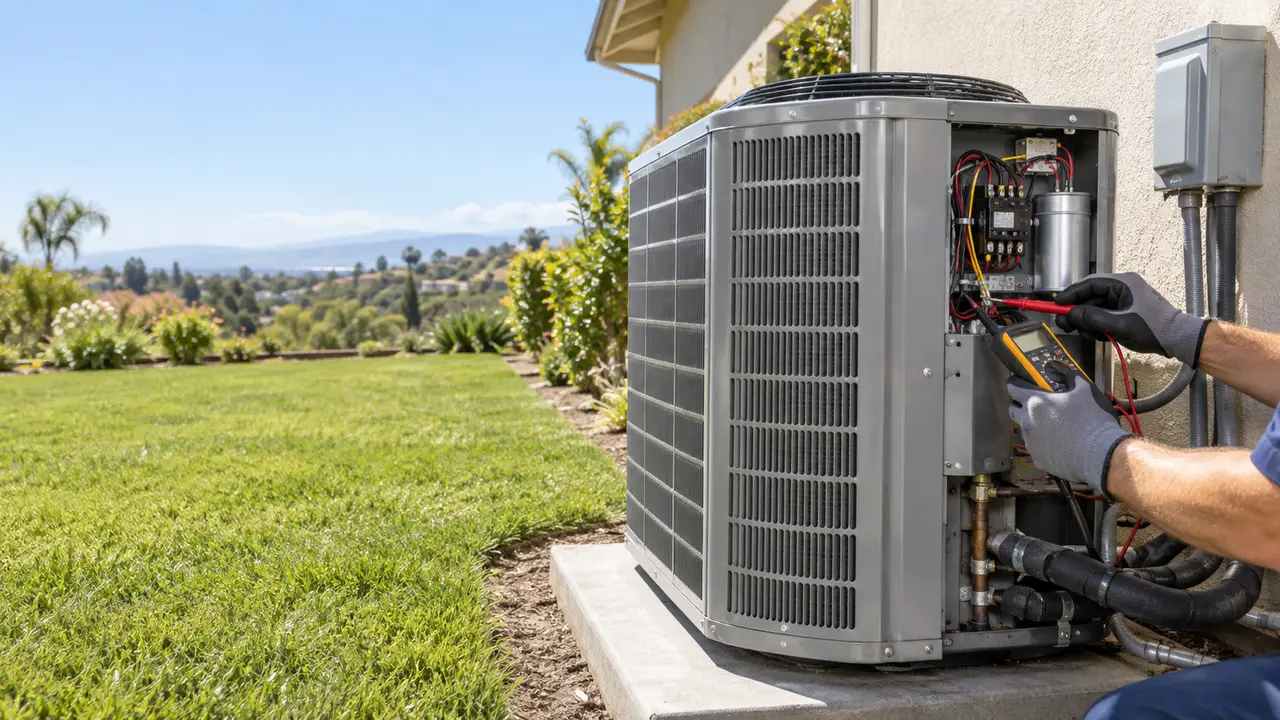
From there, the equipment needs to be inspected and tested. That generally includes checking thermostat operation, electrical connections, contactors, capacitors, motors, safety controls, refrigerant pressures, temperature split, and airflow. The indoor and outdoor sections of the system need to be considered together. Replacing a single part without confirming the reason it failed can create a short-lived fix.
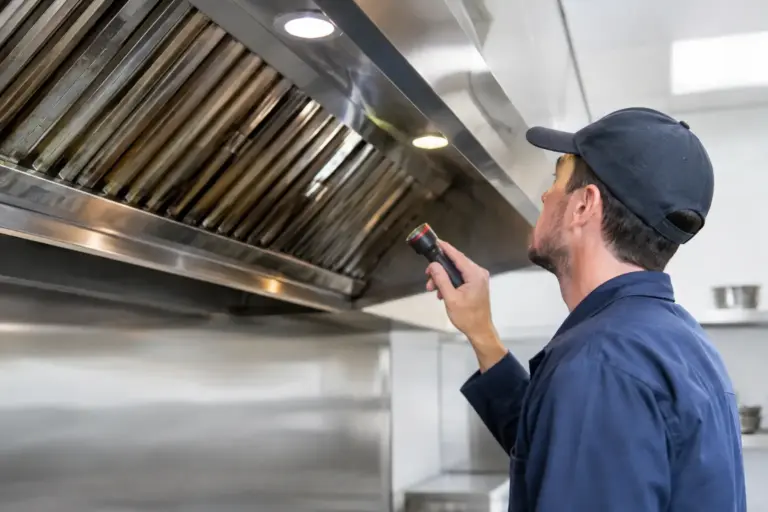
For commercial properties, the evaluation may also include rooftop unit controls, belts, fan motors, economizer components, package-unit operation, and the demands placed on the equipment during business hours. A restaurant may have comfort cooling concerns alongside kitchen heat, ventilation demands, and refrigeration equipment that adds to the facility’s overall load.
Once the problem is identified, the explanation should be plain and direct. You should know what component is not operating correctly, what repair is recommended, and what the expected cost is before work moves forward. Honest Heating & Air Conditioning approaches service this way because customers should not have to choose between understanding the problem and getting it fixed promptly.
Repair or Replacement: How to Make the Practical Call
Not every older air conditioner needs to be replaced, and not every repair is a good long-term investment. The decision depends on the condition of the equipment, the nature of the failure, repair history, efficiency, and how well the system serves the building.
A straightforward repair is often the sensible choice when the unit has been reliable, the failed part is isolated, and the rest of the system is in good condition. Electrical components, controls, contactors, capacitors, and some motor-related problems can often be repaired without turning the situation into a replacement project.
Replacement deserves a closer look when a system has repeated breakdowns, requires a major compressor repair, uses outdated refrigerant, or cannot cool the space effectively despite proper maintenance. An older unit may also cost more to operate, especially if it runs for long periods without reaching the thermostat setting.
For a homeowner, the goal is to avoid spending heavily on a system that is likely to fail again soon. For a property manager or business owner, downtime, tenant comfort, employee productivity, and operating costs also factor into the decision. The best recommendation is not always the lowest immediate price. It is the option that fits the equipment’s condition, the property’s needs, and the budget without pressure or surprises.
Why Accurate Diagnosis Saves Money
Air conditioning problems can look deceptively simple. A unit that will not start may have a failed capacitor, but it could also have a control problem, damaged wiring, a compressor issue, or a safety switch preventing operation. Similarly, low cooling performance can result from a refrigerant leak, but refrigerant does not get used up under normal operation. If the charge is low, the source of the leak should be found and addressed when possible.
Accurate diagnostics protect you from replacing parts that were not the real problem. They also help prevent a minor issue from causing additional strain. A weak capacitor, for example, can make it harder for a motor or compressor to start. A dirty coil can force the system to work longer and may contribute to poor comfort and higher utility costs.
This is especially important for commercial equipment. A rooftop package unit that struggles during peak business hours can affect customers and staff. Cooling problems near food preparation areas can make an already warm workspace harder to manage. In these settings, a technician needs to look beyond whether the system turns on and evaluate whether it is operating safely, consistently, and at the capacity the business needs.
Steps You Can Take Before the Technician Arrives
You do not need to diagnose the equipment yourself, but a few observations can help make a service visit more efficient. Check whether the thermostat has power and is set to cool, note whether the indoor and outdoor equipment are running, and write down any error messages or unusual sounds. If the system trips a breaker repeatedly, avoid resetting it over and over. That can point to an electrical problem requiring professional attention.
Make the areas around indoor and outdoor equipment accessible if possible. For businesses, it also helps to identify when the issue is most noticeable, such as during lunch service, late afternoon heat, or when a particular section of the building is occupied. Clear information helps the technician reproduce intermittent problems and make a more reliable recommendation.
Preventing the Next Cooling Breakdown
Preventive maintenance cannot eliminate every repair, but it can reduce surprises and improve system performance. Regular service gives a technician the chance to inspect electrical components, check operating conditions, clean critical equipment areas, verify airflow, and identify worn parts before they fail during a heat wave.
The right maintenance schedule depends on the equipment and how it is used. A lightly used residential system has different demands than a restaurant rooftop unit or a commercial space with long operating hours. Equipment exposed to heavy heat, dust, cooking-related conditions, or constant cycling usually benefits from closer attention.
Good maintenance also creates a useful service history. When a system develops a problem, prior readings and repair records can help identify patterns, such as declining performance, repeated electrical failures, or a component that is nearing the end of its service life.
When your AC is not keeping up, the most useful next step is a careful evaluation from a technician who explains the findings clearly. A timely repair can restore comfort now and give you the information needed to make a confident decision about the system’s future.